
LADSE offers free summer school for students with disabilities
By Leah Mini – Managing Editor
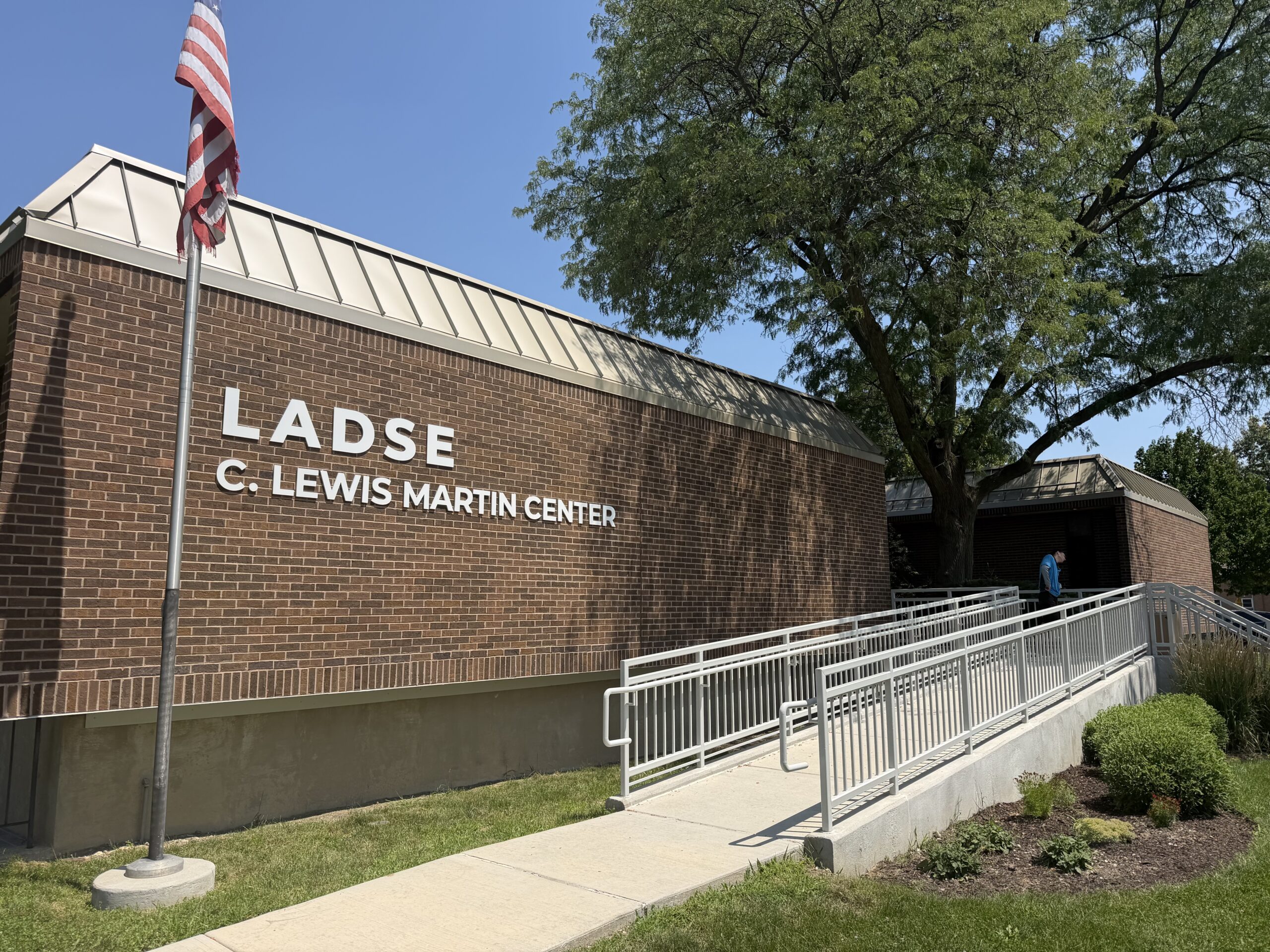
This summer, the La Grange Area Department of Special Education (LADSE) opened three schools to run summer school programs that serve K-12 students with disabilities within its 15 member districts.
“Everybody learns some stuff over the summer, but when you have a disability, it takes longer to get back the information that you’ve lost over that summertime,” said LADSE executive director Ellie Ambuehl.
According to the Individuals with Disabilities Education Act (IDEA), schools are required by law to offer free summer classes if recommended in a student’s individualized education plan.
Ambuehl said parents are very appreciative of the program because they can support their children by keeping up a sense of routine.
In 2025, LADSE summer schools hosted 300 students, surpassing pre-COVID enrollment. This year, Ambuehl said numbers are approximately the same.
To accommodate for the large enrollment, LADSE uses multiple locations for each program. They use St. Louise De Marillac School for LADSE North, Highlands Elementary School for early childhood, and Brook Park Elementary School for students with other needs.
While the LADSE North program runs during the school year and summer, Brook Park and Highlands only operate LADSE programs during the summer. Those LADSE teachers use existing classrooms, then transform them with their own supplies best suited to the students’ needs.
“It’s exciting because it’s really like starting two brand new schools,” Ambuehl said. “We hire new staff. There are a lot of kids that we don’t know, especially in early childhood. We have to get everything all put together and basically open up three new schools for 4 weeks, and then we shut them down, and then we get ready for the school year.”
In total, LADSE employs three principals and approximately 200 paraprofessionals and teachers to run summer school.
“We have teachers and therapists, paraprofessionals, and then we hire high school students to be helpers. They’re in the classroom helping out, which is great,” Ambuehl said.
Despite an increased interest in special education, Ambuehl said that hasn’t helped LADSE avoid the pressures of being short-staffed. LADSE’s programming has been expanding in response to the growing number of students being recommended for special education.
“It seems like there’s [been] a big increase in students with special needs since COVID, partly because kids weren’t getting the right services,” Ambuehl said. “You know, our kindergartners this year were born in 2020. They turned 5 this past year, so if you were born with a disability, there weren’t some of those therapies that were really essential from birth to 3 years old.”
Ambuehl said that the lack of early intervention therapists led to the current state: more students with more intensive support needs being referred to individualized education plans.
Riley McCarthy, a psychology student at Denver University, was a paraprofessional at LADSE North this summer. McCarthy received her paraprofessional certification and began working with LADSE in 2025. Since then, McCarthy has aided classrooms of several age groups during summer and winter breaks.
Every classroom has one teacher who creates lesson plans and multiple paraprofessionals who act as classroom managers. As one of the paraprofessionals, McCarthy aided special education teacher Dean Fitzgerald, supporting eight students ages 10 to 12 with work and ensuring the class ran smoothly.
Classrooms have students with varying needs, so patience and flexibility are important aspects of being a good paraprofessional. McCarthy said some students could think of their own answers but needed help writing them, and others needed questions read aloud multiple times.
“Obviously, in an adapted classroom, it doesn’t look the same for anyone,” Ambuehl said. “I feel like in all the classroom experiences I had to learn to meet the kids where they’re at and not assume that they can’t do it, just that they might need more time. They’re all very smart and capable; it’s just a matter of making sure they understand the assignments.”
This summer, McCarthy said she worked particularly closely with one student who was hard of hearing.
“I tried to make the lessons more accessible for him,” McCarthy said. “I worked with him one-on-one a lot, explaining what we had to do, helping him come to answers on his own. That was a little tough because he doesn’t speak very much, and he also doesn’t really sign, so I was using sign language, talking, and writing altogether.”
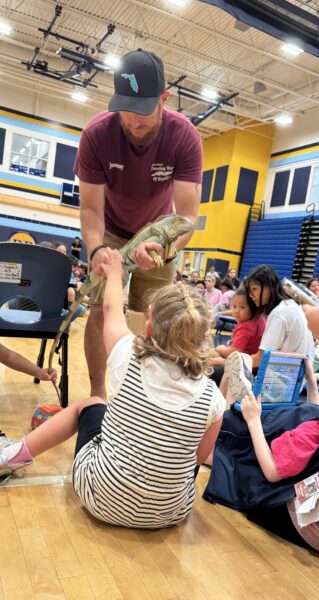
Ambuehl said that summer school is a big transition, as many students may have difficulty adjusting to changes; so LADSE uses summer as an opportunity to learn how to transition, while making school fun and enjoyable for them. For example, they will have fun days with kiddie pools, bouncy houses, or even a visit from the “reptile man,” who brings animals into the classroom.
McCarthy said that she has always been interested in working with kids and studying child development, so she has enjoyed working in a LADSE classroom to further those interests.
“They all have such strong personalities, even the preschoolers. They’re just very resilient, and I love working with them and getting the ‘aha’ moment,” McCarthy said.