
June inspires Pride Month LGBTQ+ celebration
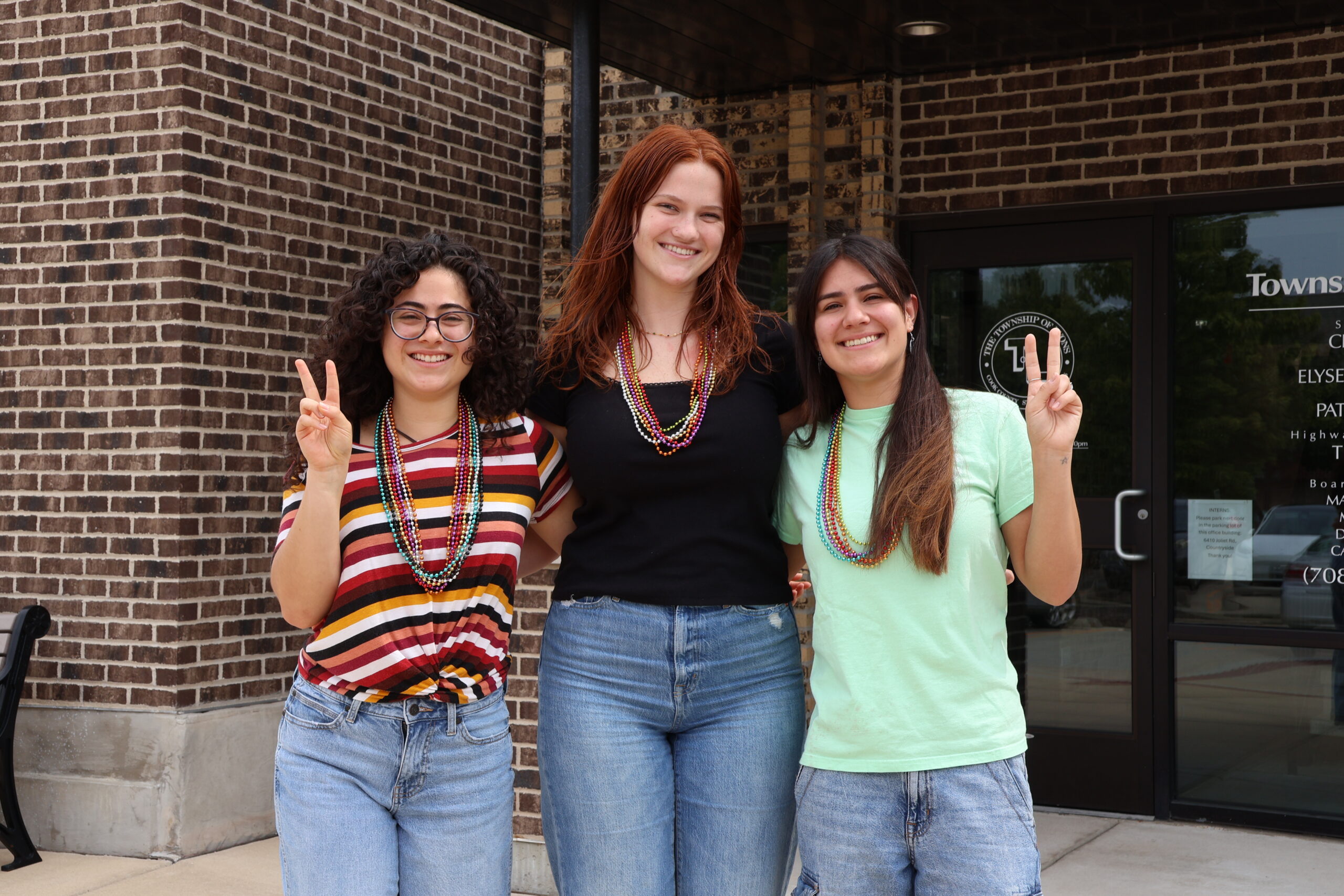
Photo credit: Sophia Anaya
By Breane Barrios and Angel Gibson – Staff Writers
Pride month today is a celebration of community, belonging, affirmation of identity, and how history has changed both law and personal perspective. Many incidents sparking the chain of events that shaped today’s pride celebrations happened not too long ago.
The origins of pride date back to the Stonewall Riots, when a police raid on a gay bar, the Stonewall Inn, in New York City took place in the early hours of the morning, June 28, 1969. The raid incited a riot and protest against police action towards those presenting differently. The incident escalated resulting in 13 people being arrested and four police officers injured.
As a result, gay rights activists Ellen Broidy, Craig Rowell, and his partner Fred Sageant proposed an annual march and encouraged other organizations to hold parallel demonstrations in November 1969. Chicago was one of the first cities to host a march, on June 27, 1970, that was called, “The Gay Liberation Parade,” with roughly over 100 participants.
After these events many changes began to occur in society in regards to LGBTQ+ rights.
In 2015, Obergefell v. Hodges, a consolidated case of multiple lawsuits that advocated for same-sex marriage, was brought to the Supreme Court. The plaintiffs argued that their right to marry cannot be denied simply because they were of the same sex. They cited the due process clause of the 14th Amendment and won the case in a 5-4 decision.
Today, many individuals in both personal and professional spaces have been impacted by social and federal developments. Professional spaces have been impacted by the wage gap, and specialized professions have been created.
Emerson Black, a professional counselor at Willow Therapeutic, who runs a group therapy support group for transgender individuals, gave insight into how pride impacts his life in an interview.
“As a queer mental health professional, pride symbolizes the immense psychological strength and resilience of the LGBTQ+ community,” Black said.
There are many ways people can help the community, whether through personal behavior and reflection, donating time, or donating a dollar or two.
“For those who are not queer but find themselves wanting to help, allies can use their privilege by acting as a voice and advocating for those who are queer,” Black said.
Allies can act by speaking up about harmful or discriminatory comments, voting for politicians who support LGBTQ+ rights, boycotting companies that support anti-LGBTQ+ legislation, using individuals’ preferred pronouns, and working in therapy or self-reflection to examine any biases people may hold. Celebrating LGBTQ+ people and communities is another way allies can show support. This may be recommending queer-owned businesses, attending pride events to show solidarity, promoting queer artists, and sharing LGBTQ+ stories and perspectives. Individual members of the LGBTQ+ community cannot be a monolith and serve as a sole source of information.
PFLAG is a resource for allies and parents of LGBTQ+ individuals who want to learn more about the community. This can include holding support group sessions and offering educational resources on topics such as religion and LGBTQ+ identities.
Another organization that allies can donate money to is The Trevor Project, a suicide hotline for queer youth under the age of 25. The organization connects people to professionals who understand struggles relating to sexuality and/or gender identity. When asked about the goal of these organizations and the community:
“[The LGBTQ+ community’s] goal is to create a world of acceptance, belonging, and affirmation for all, not merely tolerance,” Black said.